Healthcare administrators
Understand what happens to operational information after it is recorded and why accurate source data matters.
Covered in the 8-week programme
Learn how healthcare information is recorded, standardised, classified, moved, stored, governed and checked, then apply that knowledge through realistic synthetic data, quality and informatics scenarios within the MedX workforce-readiness environment.
Healthcare informatics does not begin in a dashboard. It begins with activity recorded in operational and clinical systems.
This pathway develops that understanding and then connects it to practical activity: tracing synthetic information, checking data quality, interpreting structures and explaining how source records affect downstream reporting and analysis.
Build on operational pathway knowledge by understanding how healthcare information moves through systems, standards, governance, storage and analytical processes, and practise reasoning about that journey.
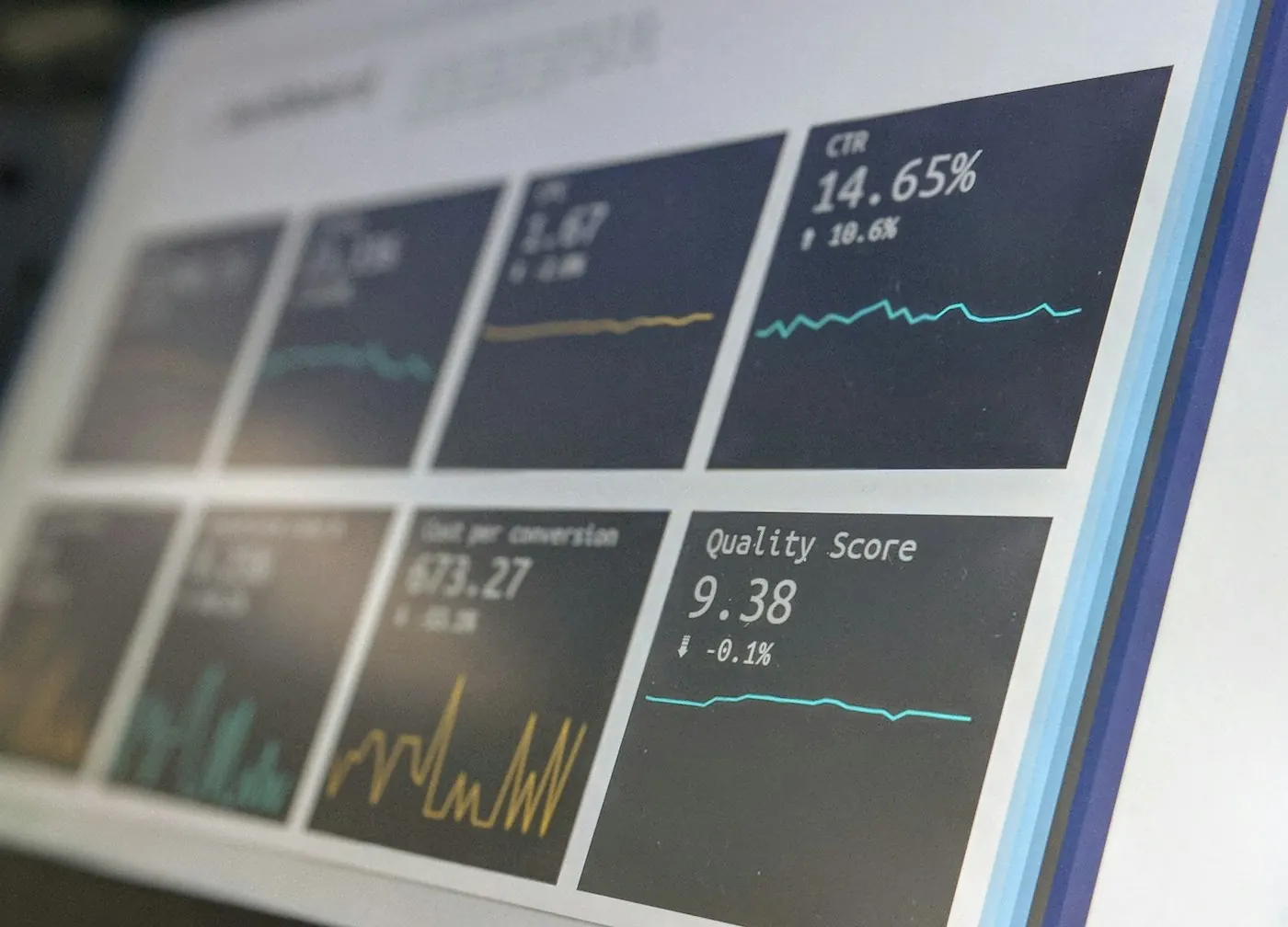
The pathway follows healthcare information from source systems through standards and data flows into analytical structures, reporting and decision support.
Data quality, governance, confidentiality, definitions and auditability matter throughout the lifecycle.
The curriculum develops knowledge across terminology, classifications, systems, datasets, governance and analytical structures, providing the theory needed to reason about healthcare information in practice.
The aim is not simply to recognise terminology. Learners should develop a clearer understanding of how systems, standards, datasets and reporting processes relate to one another.
Informatics connects operational activity with the standards, structures and governance needed to turn recorded information into something that can be interpreted responsibly.
Structured activities move the pathway beyond definitions. Learners can trace fictional information, investigate quality issues, interpret structures and explain how healthcare data changes as it moves through operational, information and analytical stages.
Learn the terminology, standards, classifications, systems and datasets used across healthcare information workflows.
Follow fictional information from source records through structured data flows and analytical processes.
Identify potential data-quality, mapping, duplication, consistency and governance issues.
Build the ability to describe how source information, definitions and modelling affect reports and decisions.
Fictional registrations, referrals, appointments, pathways and waiting-list activity.
Trace fields, classifications, mappings, transformations and quality issues.
Understand how source quality and definitions affect measures, dashboards and decisions.
MedX is designed to connect operational activity with the information processes behind it. Learners can use fictional records and synthetic data to understand how healthcare information is created, checked, structured and prepared for downstream use.
Analytics becomes more meaningful when learners understand where the information came from, what the fields represent, how the data was structured and what quality limitations may exist.
This pathway therefore provides the informatics capability needed for the next MedX stage: Healthcare Data Analytics.
Explore the Next PathwayThe next stage develops practical analytical thinking and reporting capability using healthcare-focused scenarios.
MedX is being designed to distinguish between knowledge someone has learned and capability they have demonstrated through practical work. In informatics, that means going beyond recognising terminology to showing how information is traced, checked, interpreted and explained.
The planned Capability Evidence Engine is intended to capture measurable performance from relevant activities and help organise practical development into a clearer capability profile.
Explore capability evidence →Capability measurement is developing. Synthetic MedX activity is training and capability-development evidence, not employment experience.
Understand what happens to operational information after it is recorded and why accurate source data matters.
Build practical understanding of healthcare information, systems, standards, datasets, governance and data-quality reasoning.
Strengthen understanding of the operational and information context behind healthcare datasets and reports.
Develop a broader view of how healthcare systems, structured information and analytical processes interact.
Once you understand where healthcare information comes from and how it is structured, the next stage is learning how to interrogate, analyse and communicate that information effectively.
Continue to Data AnalyticsHealthcare Data & Informatics bridges operational healthcare work and analytical capability within the wider MedX workforce-readiness pathway.
Build relevant knowledge, explore practical healthcare scenarios and develop examples of work you can explain. The MedX approach connects learning with practice and reflection.
Simulation activities use fictional training records and are not NHS employment or clinical placements. MedX is developing further technology to help structure capability evidence.
Understand the systems, standards and structures behind healthcare information, then apply that knowledge through realistic synthetic data and informatics work.